Efficiency and automation
Container load planning

Efficiency and automation
Container load planning
Summary
What is container load planning (CLP)?
Container load planning is a strategic process of arranging cargo within a shipping container to maximize space utilization, ensure stability, and optimize weight distribution. The arrangement must also follow customer business rules such as what cargo loads first, what type of cargo can be stacked and what container size and type can be used.
Through in-depth qualitative research sessions with our supply chain platform origin users, we were able to identify another major process pain point whilst creating a CLP. Container planning often requires cargo to be loaded in a specific sequence to support comply to load optimsation and efficient unloading at destination. This process is typically manual, using Excel, and requires one full-time resource weekly. Automation reduced workload by 50% and significantly improved efficiency.

The solution makes optimizes planning and makes information much more visible
Problem
Cargo planning today is highly manual and lacks standardisation, relying heavily on customer-specific knowledge and experienced CX teams. Each customer requires a different approach, often managed through Excel and email, limiting scalability and efficiency.
The process involves manually selecting bookings based on CBM, container size, weight, and custom loading rules, while trying to meet utilisation targets. This is time-consuming, error-prone, and offers limited visibility into container utilisation—making it difficult to optimise costs and performance.

Container load plan top pain points identified
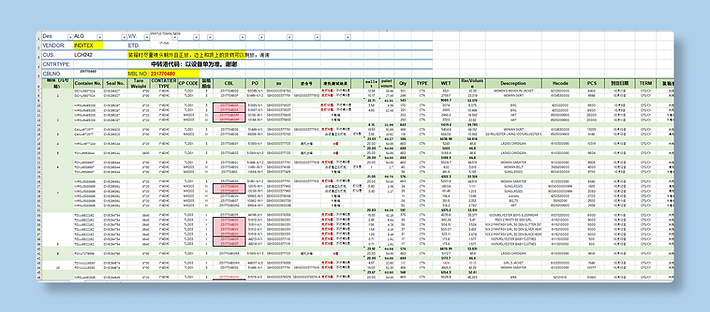
Current container load planning is very manual and prone to error
“There is a lot of process and touch points involved, specific brands will require special loading methods, and customers also have a specific way of loading and also try our best to utilise the cargo to meet customer requirements. Sometimes when errors occur it's also very difficult for us to track"
— CX manager

“I don't want to jump to different places to do my work, why can't we have it in one place"
— CX consultant

Approach
Design automatic & dynamic planning tool to support planning as per customer dynamic business rules, it will also take into account container size and type constraints, and utilization requirements, leading to a more cost competitive solutions and faster lead time of generating load plans. The supply chain platform can resolve this problem, that will continue to grow and put an advantage on Maersks SCM competitiveness and margins.
Solution
A configurable container planning system that:
-
Supports customer-specific rules for loading sequence and container allocation
-
Filters and selects bookings directly from a centralized dashboard
-
Automatically generates container load plans for execution by warehouses and factories
-
Allows adjustments to cargo quantity, weight, and dimensions
-
Dynamically manages container fill percentages
-
Enforces container type and size constraints
This creates an intelligent planning workflow that balances automation with user control.

Dashboard for CLP

CLP creation Step 1

CLP recommendation page

View 3D layout
Container load plan walkthrough
Impact
-
-50%manual planning time (Measured by timing and observing CX operations before and after)
-
Fewer errors and more consistent load planning
-
Improved efficiency for CX teams and warehouse partners
-
Improved container utilisation rate and increased team KPI
-
Allowing teams to run with lower headcount hence reducing operational cost.
-50%
reduction in manual container planning time